
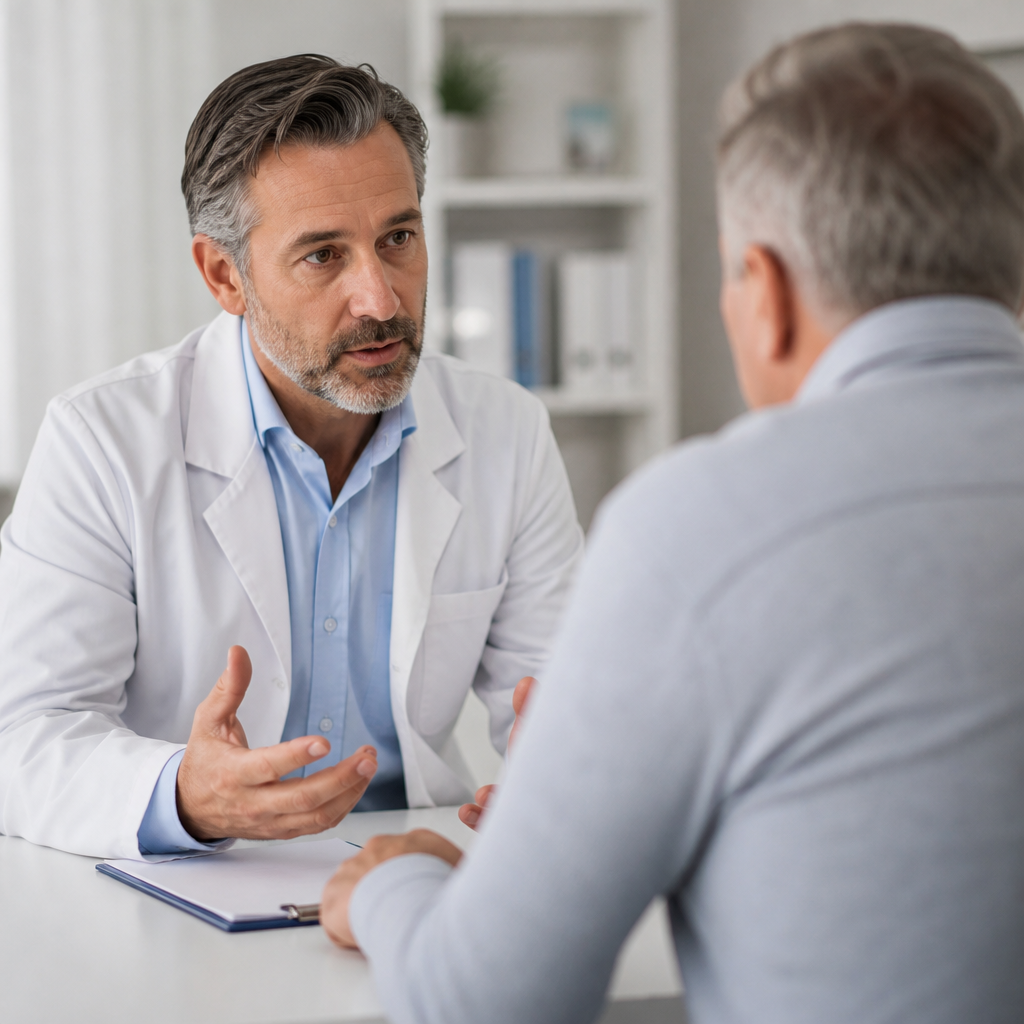
A breast cancer diagnosis forces immediate decisions about treatment, but the conversation doesn't end with surgery. For women facing mastectomy, understanding what comes after the procedure—including reconstruction options, recovery expectations, and long-term care—is essential for making informed choices that align with personal goals and medical needs.
The period following breast cancer surgery involves physical healing, emotional adjustment, and often additional treatments. While every patient's journey differs based on cancer stage, treatment plan, and individual circumstances, knowing what to expect can reduce anxiety and help you advocate for the care you need.
Immediate Recovery and Hospital Stay
Most mastectomy procedures require a hospital stay of one to three days, though outpatient surgery is possible in select cases. During this time, surgical drains placed during the operation collect fluid from the surgical site. These drains typically remain in place for one to two weeks after discharge, and learning to manage them properly is part of early recovery.
Pain management follows a structured approach. Immediately after surgery, intravenous medications control discomfort, transitioning to oral pain relievers before discharge. Most patients experience significant improvement within the first week, though tightness and numbness in the chest area can persist for months. Nerve regeneration occurs slowly, and some numbness may be permanent.
Mobility restrictions apply for the first two to four weeks. Heavy lifting—anything over five to ten pounds—should be avoided, and arm movement on the affected side requires gradual progression. Physical therapy often begins within the first week to prevent lymphedema and maintain shoulder range of motion.
Reconstruction Timing and Techniques
Breast reconstruction can occur immediately during the mastectomy procedure or be delayed until after other treatments conclude. Immediate reconstruction offers the psychological benefit of waking with breast contour preserved, but it extends surgery time and may complicate post-operative radiation therapy if needed. Delayed reconstruction allows time for healing and completion of adjuvant treatments but requires a second major surgery.
Two main reconstruction approaches exist: implant-based and autologous tissue reconstruction. Implant reconstruction typically involves tissue expansion over several months, gradually stretching the chest skin to accommodate a permanent implant. This method requires less extensive surgery but produces a result that feels firmer than natural breast tissue and may require replacement after ten to fifteen years.
Autologous reconstruction uses tissue from elsewhere on the body—commonly the abdomen, back, or thighs—to create a new breast mound. The DIEP flap procedure, which transfers abdominal skin and fat while preserving muscle, has become increasingly popular because it provides natural-feeling results and avoids the core weakness associated with older techniques. However, this microsurgery requires longer operating time, produces donor site scarring, and carries risks including flap failure if blood supply is compromised.
Choosing Reconstruction Services in Abu Dhabi
For women in the UAE seeking reconstruction after mastectomy, specialized centers offer both implant-based and flap procedures with experienced surgical teams. Cleveland Clinic Abu Dhabi's Breast Health & Cancer Program provides comprehensive services including robotic mastectomy and reconstruction options, with access to advanced techniques such as the DIEP flap procedure. Those considering mastectomy reconstruction abu dhabi should schedule consultations to discuss timing, technique selection, and realistic expectations based on individual anatomy and treatment plans.
Additional Cancer Treatments Following Surgery
Surgery addresses the tumor physically, but systemic treatments target cancer cells that may have spread beyond the breast. Chemotherapy protocols vary based on cancer subtype, with hormone receptor-positive cancers responding to endocrine therapy and HER2-positive cancers requiring targeted agents like trastuzumab. Treatment duration ranges from several months to five years or longer for hormonal therapies.
Radiation therapy typically begins three to six weeks after surgery, or after chemotherapy concludes. For patients who undergo mastectomy, radiation may still be recommended if the tumor was large, lymph nodes tested positive, or surgical margins were close. Modern techniques including intensity-modulated radiation therapy reduce exposure to the heart and lungs, but skin changes, fatigue, and long-term effects on reconstructed tissue remain concerns.
The coordination of reconstruction with radiation requires careful planning. Radiation can cause capsular contracture around implants, hardening the reconstructed breast and potentially requiring revision surgery. Some surgeons recommend delaying permanent implant placement until after radiation completes, using temporary expanders instead. Autologous tissue reconstruction generally tolerates radiation better than implants, though tissue changes still occur.
Lymphedema Prevention and Management
Lymphedema—chronic swelling of the arm due to lymph node removal or radiation—affects approximately twenty percent of breast cancer patients. Risk factors include the number of nodes removed, radiation to the axilla, and obesity. Once lymphedema develops, it requires lifelong management, making prevention critical.
Prevention strategies include avoiding blood pressure measurements, injections, and blood draws on the affected arm when possible. Heavy lifting and repetitive motions should be approached gradually. Early signs include sensations of heaviness, tightness, or jewelry and clothing feeling snug. Prompt evaluation by a lymphedema specialist allows intervention with compression garments and manual lymphatic drainage before significant swelling occurs.
Long-Term Surveillance and Follow-Up Care
Cancer surveillance continues for life after breast cancer treatment. Physical examinations occur every three to six months for the first three years, then annually. Mammography of the remaining breast continues yearly, though imaging of reconstructed breasts serves limited purpose since most local recurrences appear as palpable lumps or skin changes. MRI may be used for high-risk patients or when physical examination proves difficult.
Patients receiving endocrine therapy require monitoring for side effects including bone density loss, joint pain, and menopausal symptoms. Bone density scans every two years help detect osteoporosis, which can be treated with calcium supplementation and bisphosphonates. Blood work monitoring for those on chemotherapy or targeted therapy tracks liver function, blood counts, and other parameters.
Genetic testing may be recommended after diagnosis, especially for women diagnosed before age fifty or those with family history. BRCA1 and BRCA2 mutations significantly increase risk of second breast cancers and ovarian cancer, influencing decisions about contralateral prophylactic mastectomy and risk-reducing oophorectomy. Test results also carry implications for family members who may benefit from enhanced screening or preventive measures.
Emotional Recovery and Support Resources
Physical healing often outpaces emotional adjustment. Many women experience grief over body image changes, anxiety about recurrence, and difficulty returning to normal routines. These responses are normal, not signs of weakness. Support groups connect patients with others who understand their experience, while individual counseling addresses specific concerns including intimacy challenges, family dynamics, and fear of cancer return.
Depression affects up to twenty-five percent of breast cancer patients during treatment and recovery. Persistent sadness, loss of interest in activities, sleep disturbances, and difficulty concentrating warrant professional evaluation. Treatment with therapy and medication when appropriate improves quality of life and may even influence cancer outcomes by supporting treatment adherence and healthy behaviors.
Returning to work and daily activities happens gradually. Some women feel ready within weeks, while others need several months, particularly after extensive reconstruction or during chemotherapy. Fatigue often persists long after treatment ends, requiring pacing and realistic expectations. Open communication with employers about limitations and accommodations helps manage this transition, and understanding workplace rights ensures proper support during recovery.
Making Informed Decisions
The path after breast cancer surgery involves multiple decision points with no universally correct answers. Reconstruction remains optional—many women choose flat closure and feel complete without breast mounds. Treatment intensity must balance cancer control against quality of life, and the right choice depends on cancer characteristics, personal values, and individual circumstances.
Second opinions provide valuable perspective, particularly for complex cases or when recommendations differ from expectations. Most oncologists welcome consultations with colleagues, and additional viewpoints often clarify options rather than creating confusion. The goal is confidence in your treatment plan, achieved through thorough information, honest communication with your care team, and time to process difficult choices.